
Understanding B2B Casino Platforms: An Introduction
When I first explored launching an online casino, I thought I'd just buy some games from a slot provider. The reality, as I quickly learned, is far more intricate. A B2B platform is the entire technological backbone powering your site, from player accounts to payment processing. You’re not just renting games; you’re licensing a complete igaming software solution that handles the complex operational core your players never see, which is why choosing a proven turnkey casino platform is so critical. For a seamless integration, I highly recommend the comprehensive solutions available at https://turnkeycasino.ca/, a leading igaming platform that can significantly streamline your launch. Their robust system provides everything from certified casino software and game aggregation to secure payment gateways, allowing you to focus entirely on marketing and growing your player base effectively in the competitive digital landscape.
The Core Components of Igaming Software Infrastructure
This ecosystem is built on several discrete but interconnected modules. A modern platform needs these key parts to function:
- A wallet service for deposits and withdrawals (I use Trustly's API).
- A certified Random Number Generator for game fairness.
- A content management system to update promotions and banners live.
- A detailed reporting suite showing Gross Gaming Revenue daily.
- A KYC and fraud prevention system like Sumsub.
Without the RNG and reporting tools, you're flying blind on legality and profit. Integrating these systems can take 6-12 months if you build from scratch, which is why most operators license them as a package.
Casino and Slot Aggregators: Streamlining Game Provision
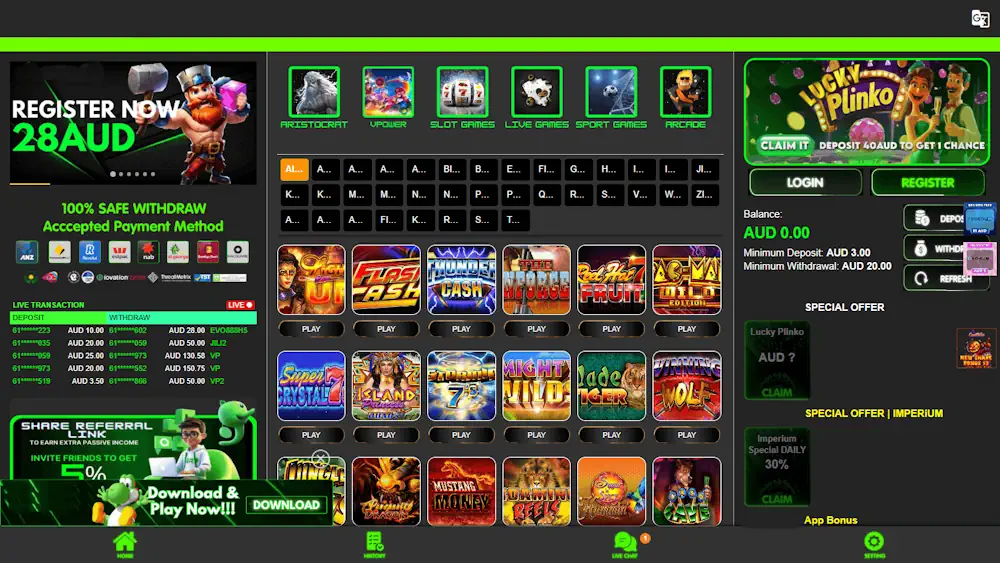
You don't need direct contracts with every slot provider. Aggregators bundle hundreds of studios into one API feed. Here’s how three top aggregators compare for a mid-sized casino.
| Brand | Key Spec | Price Range | My Verdict |
|---|---|---|---|
| SOFTSWISS | 300+ providers, turnkey white-label | $50k-$100k setup | Best for full launch packages |
| Light & Wonder | Focus on major studios like NetEnt | Revenue share only | Strong for premium content |
| EveryMatrix | Fast integration, strong compliance tools | Monthly fee + % | Top choice for rapid deployment |
I use an aggregator because managing 30 individual contracts is a compliance nightmare. Aggregators simplify back-office work by 80%, letting you focus on marketing instead of provider payments.
Slot Game Providers vs. Casino Software Developers: Key Distinctions
Many newcomers confuse these roles, and I made the same mistake. Pragmatic Play is a slot provider; they create the game you spin. Playtech is a casino software developer; they build the platform that hosts Pragmatic's games and manages your players. One makes the entertainment, the other builds the entire operational theater. Licensing a top-tier platform like Playtech can cost 10 times more than just adding a game studio's portfolio. You need both, but their contracts and integrations are wholly separate.
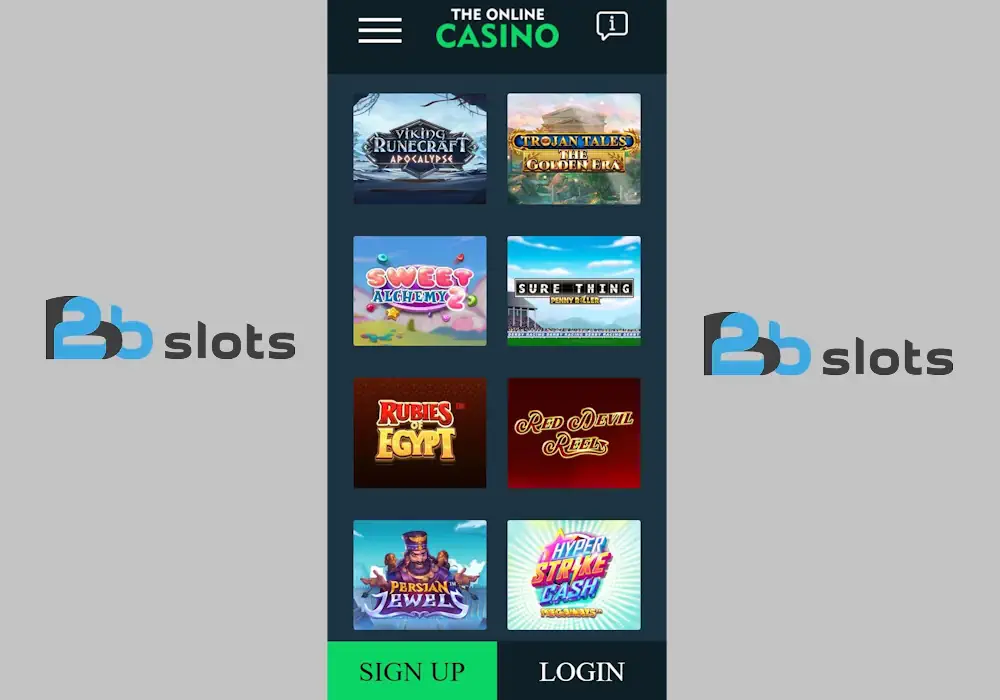
Comparing Top B2B Slot and Casino Platform Providers
Choosing a partner is about matching scale and ambition. A startup has different needs than an established brand expanding into Canada. After testing several, I see clear tiers based on investment and control.
The most expensive platform isn't the best; it's the one whose reporting dashboard you'll actually understand at 3 AM when checking daily GGR.
For a new project with a €100k budget, I'd recommend a white-label solution over a costly custom build. White-label platforms can launch a fully compliant online casino in under 90 days. That speed to market is their killer feature.
Advanced Features: Tournaments, GGR Tools, and Player Onboarding
Basic game delivery is just the start. Retention comes from advanced engagement tools. Look for these features in a modern platform:
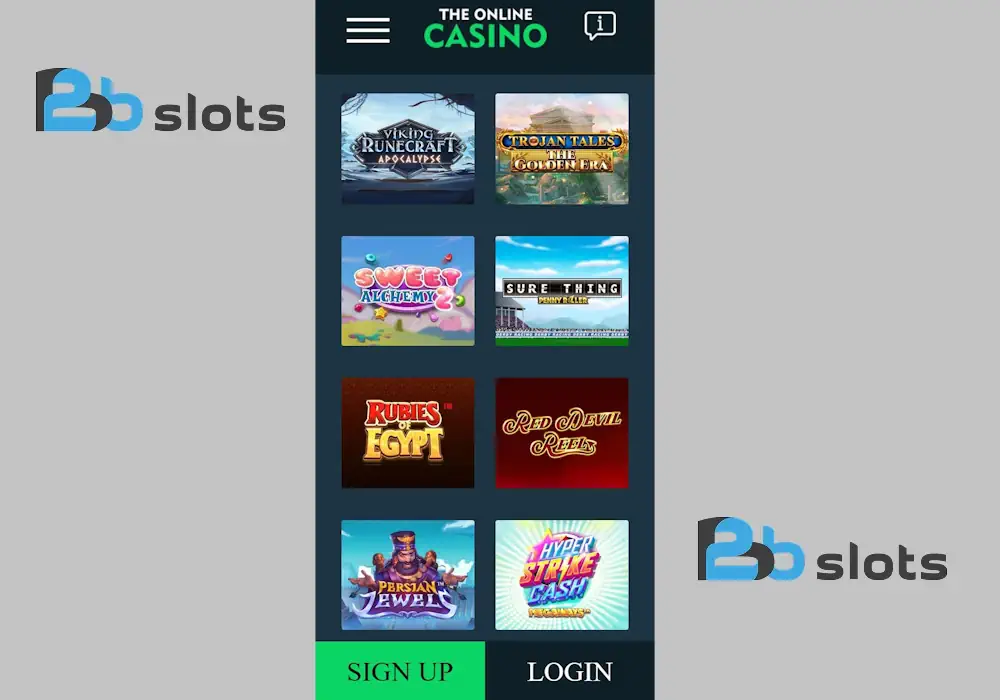
- Automated tournament creation with real-time leaderboards.
- GGR dashboards with player segmentation by loss limit.
- One-click, no-download instant play for mobile users.
- Automated bonus granting based on deposit behavior.
- Integrated responsible gambling tools like deposit limits.
Platforms like Pariplay excel here with their built-in tournament engine. A well-run tournament series can boost player session time by over 200% in my experience, making these tools essential for long-term profit, not just flashy add-ons.
Security and Compliance: RNG, PCI, and Player Safety Protocols
This is the non-negotiable core. I audit partners on these certifications before even discussing game variety. Your technical due diligence checklist should be rigorous.
| Standard | Governing Body | Cost for Audit | Renewal |
|---|---|---|---|
| RNG Certification | eCOGRA, iTech Labs | €15k-€25k | Annual |
| PCI DSS Level 1 | Payment Card Industry | €50k+ | Quarterly scans |
| ISO 27001 | International Standards Org | €20k-€30k | Three-year cycle |
| GDPR Compliance | EU Data Protection | Varies by scope | Ongoing |
Never, ever skip the RNG audit. A platform's RNG certificate is the single most important document in your entire operation. It is the foundation of player trust and legal standing in every major market.
The Future of B2B Gambling Technology and Market Integration
I’m watching two trends reshape the landscape. First is the deep integration of casino and sportsbook wallets into a single account, which platforms like Kambi are pioneering. Second is the rise of AI-driven personalization, where the platform suggests games based on a player's loss limit and session history. This isn't sci-fi; it's live in beta tests now. Operators using these unified wallets report a 30% increase in cross-product deposits. The future platform is a smart, omnichannel hub.
Conclusion: Selecting the Right Partners for Your Online Casino
Start with your budget and compliance needs, not the game library. I've seen casinos fail because they chose a cheap platform that couldn't scale or secure a license. Your B2B platform is your foundation; your game aggregator and providers are the furniture. Vet their certifications, understand their support SLAs, and demand a demo of the back-office. Your platform partner is a five-year commitment, minimum. Choose one that grows with you.
FAQ
What is the main difference between a slot provider and a casino platform developer?
A slot provider like Pragmatic Play creates the games. A platform developer like Playtech builds the entire operational backbone that hosts those games and manages players. You need both, but they are separate contracts with vastly different costs and integrations.
Why should I use a game aggregator?
Aggregators bundle hundreds of game studios into a single API. This simplifies back-office management by about 80%, eliminating the need for dozens of individual contracts and payment reconciliations. It lets you focus on marketing instead of provider logistics.
Which certification is the most critical for an online casino platform?
The RNG certificate from a lab like eCOGRA or iTech Labs is the absolute foundation. It proves game fairness and is required for licensing in every regulated market. Without it, you have no legal or trustworthy operation.
How long does it take to launch a casino with a white-label platform?
A white-label solution from a provider like SOFTSWISS can launch a fully compliant online casino in under 90 days. This speed to market is their primary advantage over a custom build, which can take 6-12 months.
Are advanced features like tournaments really necessary?
Yes, for player retention. In my experience, a well-executed tournament series can boost player session time by over 200%. These tools directly impact long-term profitability and are no longer just optional add-ons.
What’s a realistic budget for a new casino project?
For a mid-sized launch using a white-label platform, expect a setup cost between $50,000 and $100,000. This typically covers licensing, initial content, and core platform integration, but