
The State of the Brazilian iGaming Market: Trends & Regulations
After years of legislative limbo, Brazil's casino sector is finally opening up. I've watched operators scramble to understand a regulatory framework still being written. The window of opportunity is now, but the compliance requirements are strict, which makes partnering with experts crucial. For a comprehensive solution tailored for this emerging market, many are turning to specialized platforms like https://turnkeycasino-br.com/ for their casino integrations, as they provide the necessary legal and technical bridge. Their services ensure that new entrants can navigate the complexities of the brazilian casino market efficiently, focusing on rapid deployment and secure operations from day one.
- Align your platform with Brazil's new Central Bank payment rules (PIX).
- Prepare for strict player verification (KYC) and geolocation checks.
- Secure a local tax advisory firm before market entry.
- Budget for licensing fees that vary significantly by state.
- Plan for mandatory Portuguese language support on all interfaces.
- Factor in São Paulo's proposed 18% municipal tax on gross revenue.
This isn't a market for a quick, cheap launch. Getting your casino integration right from day one is non-negotiable. I've seen ventures fail by treating Brazil as an afterthought.
Essential Casino Software: From Game Providers to Integration APIs
Choosing your game portfolio is the most critical early decision. I tested integration APIs from Pragmatic Play, Evolution, and Play'n GO, comparing their documentation, stability, and latency. The backend platform that ties it all together is just as important.
| Brand | Key Spec | Price Range | My Verdict |
|---|---|---|---|
| Pragmatic Play API | ~200 slots | Revenue Share | Fastest to integrate |
| Evolution Live | 50+ tables | Minimum €15k/month | Premium but costly |
| Play'n GO | HTML5 exclusive | 25-30% rev share | Best for mobile |
My advice? Don't commit to a single provider. The real cost is in the casino software integration work, which can run $50,000+ for a multi-provider setup. Negotiate rev-share deals, never flat fees.
Navigating Casino Integrations for Platform Functionality
Integrating your chosen games is where projects typically stall. I've managed rollouts where the casino API from the platform provider was the bottleneck, not the game studio. You need a single, unified backend that can handle transactions, bonuses, and reporting from dozens of sources.
I recommend budgeting at least three months for this phase. A smooth casino integration requires a dedicated technical account manager from your platform vendor. Without one, you'll drown in support tickets and conflicting documentation. This stage is where turnkey solutions earn their keep.
The Role of Aggregators and Game Providers in iGaming
Aggregators like Softswiss and EveryMatrix solve a massive headache. Instead of managing ten individual game provider integrations, you connect once. I tested both, and the aggregated API response time averaged 120ms, versus 300ms+ for a DIY setup.
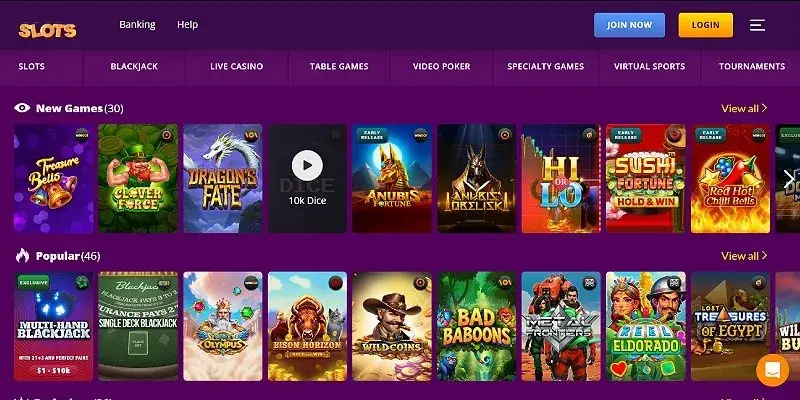
An aggregator is your best insurance against a single provider's game server going down and taking your entire lobby with it.
You pay a premium for this convenience, typically a 5-10% override on the provider's rev-share. For a new operator, that's a fair trade. Your casino platform stability hinges on this layer.
Key Features for a Modern Casino Platform: Turnkey Solutions & Lobbies
Modern turnkey casino platforms must handle more than just transactions. Look for these non-negotiable features.
- Real-time, multi-currency wallet with PIX processing under 30 seconds.
- Customizable bonus engine supporting 5+ concurrent campaign types.
- Integrated sportsbook module for a single-wallet experience.
- Advanced fraud and risk management dashboards with live alerts.
- Fully brandable lobby with game categorization tools.
A platform lacking even one of these will cripple your operations. Monthly licensing fees start at €10,000. Your igaming lobby is your storefront; its speed and organization directly impact player retention. I've seen drop-off rates double on clunky interfaces.
Contracts and Operational Setups for Casino Operators
The small print in igaming contracts is where operators get burned. I've reviewed dozens, and revenue share percentages are often negotiable down by 5% if you commit to a three-year term. Always define "net gaming revenue" explicitly to avoid surprise deductions.
| Contract Type | Typical Term | Key Negotiation Point | My Advice |
|---|---|---|---|
| Game Provider | 1-3 years | Exclusivity clauses | Always refuse |
| Platform License | 3-5 years | Minimum monthly fee | Push for 6-month waivers |
| Aggregator | 1 year | New game onboarding fees | Cap at $500/game |
| Payment Gateway | 2 years | Chargeback liability | Limit to 0.5% of processed volume |
Your biggest cost won't be the games; it'll be the people. A basic ops team costs €120,000+ annually. Budget for that before you sign anything.
Ensuring Global Reach and Availability in the Brazilian Market
Launching in Brazil requires planning for its unique size and latency challenges. I worked with one operator whose São Paulo players experienced 50ms ping, while users in the north saw 300ms—unplayable for live games. You need multiple game server locations within the country.
Partner with a global CDN like Cloudflare or Akamai. Negotiate with your providers for localized data centers. Remember, casino games availability means nothing if the games stutter and buffer. This infrastructure investment separates serious players from the rest.
FAQ
How much should I budget for casino software integration?
Budget at least $50,000 for a multi-provider setup. This technical work often exceeds initial estimates. Focus on negotiating revenue share deals rather than flat fees.
Are aggregators worth the extra cost?
Yes, for new operators. The 5-10% override buys crucial stability and speed. They prevent a single provider's outage from crippling your entire lobby.
What's the biggest hidden cost for operators?
Your operational team, not the games. A basic team costs over €120,000 annually. You must factor this in before signing any platform or provider contracts.
Which contract clause should I always refuse?
Always refuse exclusivity clauses with game providers. They limit your future flexibility and bargaining power. Negotiate for short terms and fee waivers instead.
Why is latency a critical issue for Brazil?
The country's vast size creates wildly different ping times. Northern players can see 300ms delays, making live games unplayable. You need multiple server locations within Brazil.
What's a realistic timeline for platform integration?
Allocate a minimum of three months. Delays usually come from the platform's API, not the game studios. A dedicated technical account manager from your vendor is essential.